How it works / Seven controlled stages
From mixed waste to verified value
From compound design to managed separation and verified reporting, every stage produces an operational record in PlazaOS.
- 01
Site assessment
We survey material flows, presentation points, space, access, power and service patterns, then model achievable recovery.
- 02
Compound design
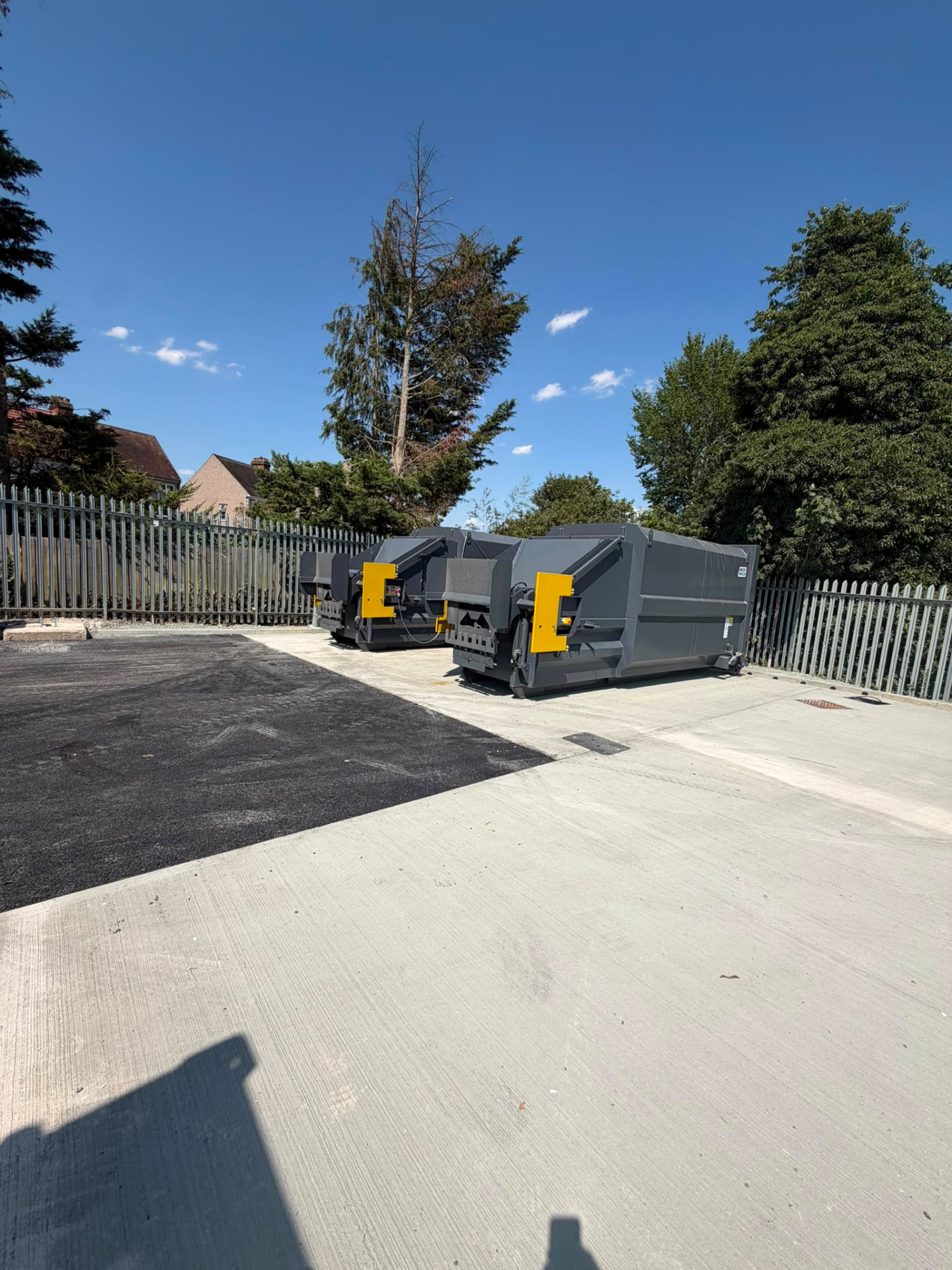
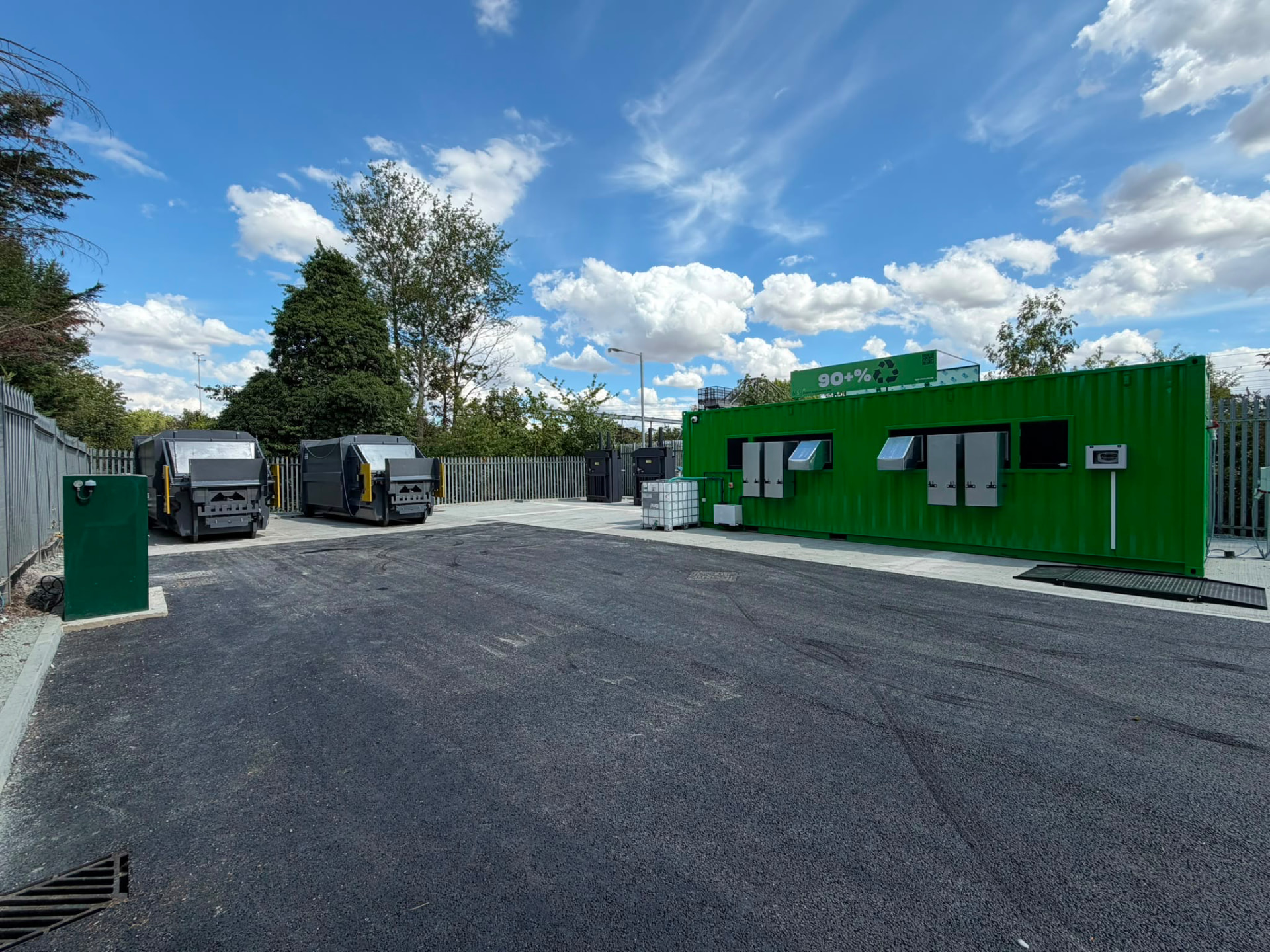
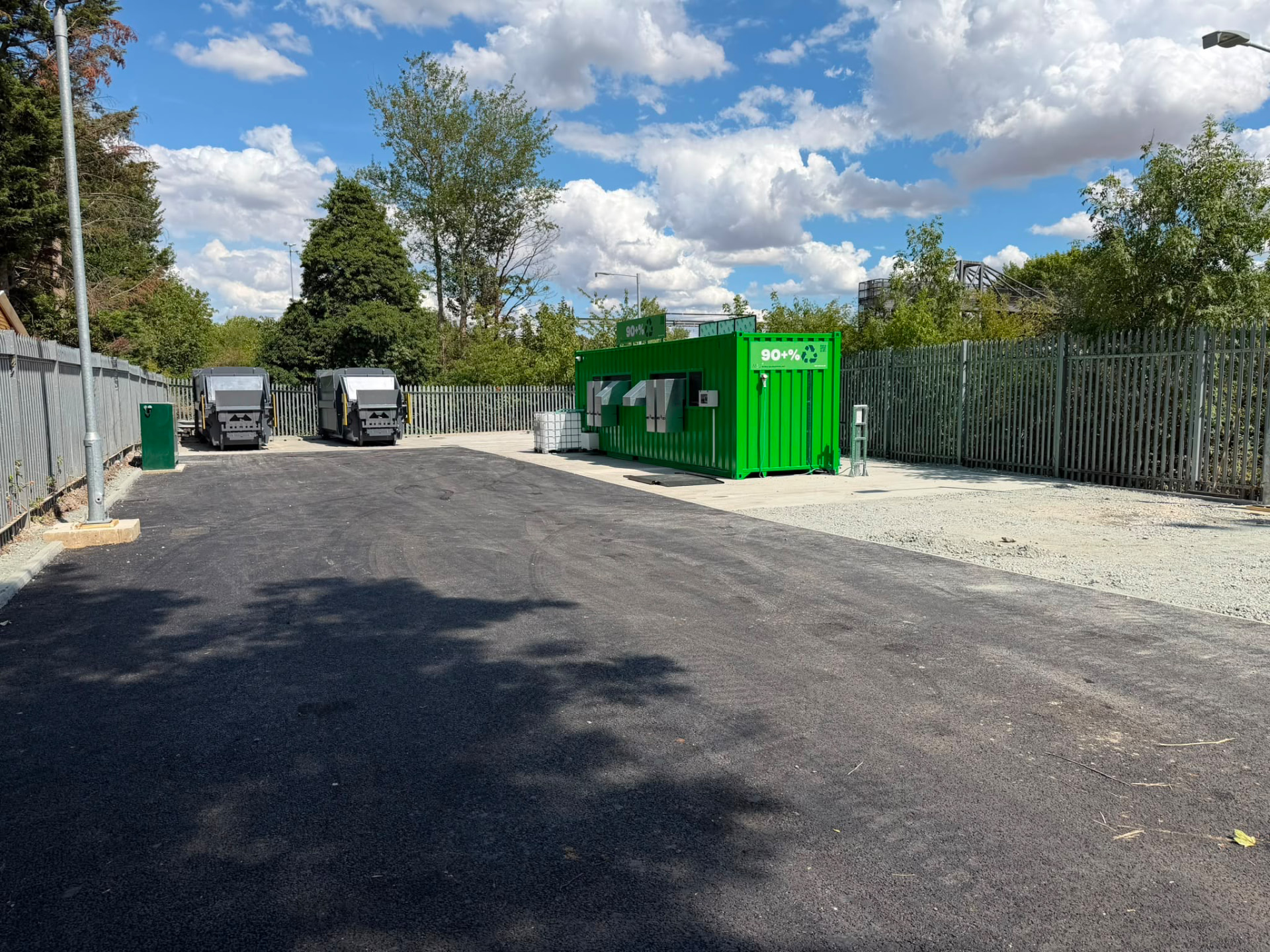
Slab, drainage, power and vehicle movements are designed around the recovery unit, compaction and baling plant.
- 03
Mobilisation
The unit is installed and commissioned, operatives are trained, streams are configured and PlazaOS is set up for the site.
- 04
Managed segregation
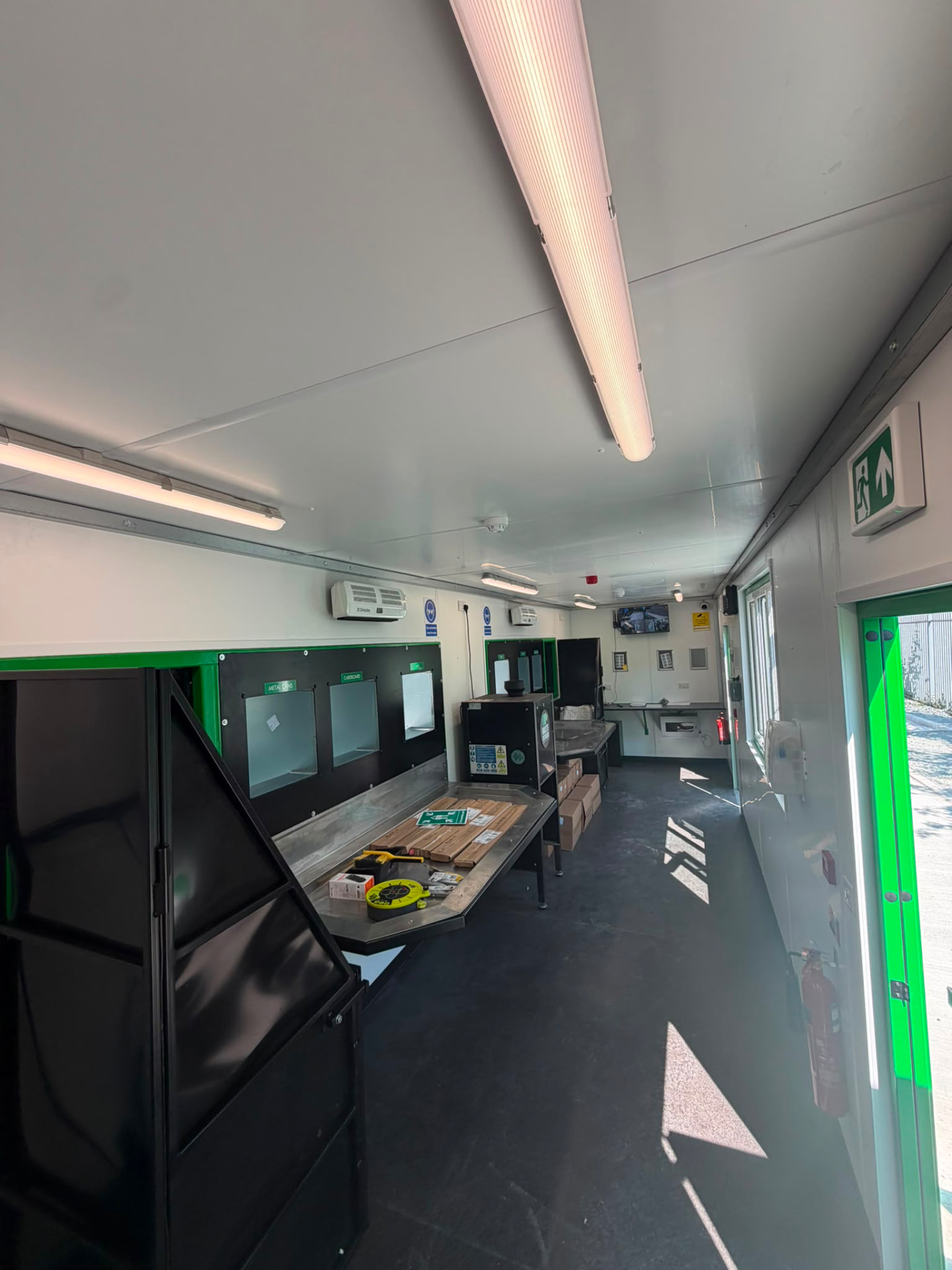
Material is opened, separated and quality-checked at the point of generation by trained operatives.
- 05
Weighing and scanning
Each stream is weighed and scanned as it is processed, creating an attributable record of the movement.
- 06
Baling and onward outlets
Target commodities are baled on site and routed to reprocessing outlets; residual volume is compacted.
- 07
Verified reporting
PlazaOS consolidates performance, exceptions and compliance evidence into a single operational record.
Contamination control
Exceptions are handled, not excused
Where presentation quality drops, the exception is recorded in PlazaOS with the stream, location and time, and fed back into tenant engagement.
Operational exception
Example: food contamination in a cardboard presentation point, logged at the recovery unit, escalated the same shift and closed out with the responsible tenant.
Stage by stage
Seven stages, captured on site
Each stage of the operation is visible in the compound and recorded in PlazaOS.